







-
Feb10The Creation of OceanX – an Oceanographic and Marine Science Research InstitutionUConn Avery Point7:30 PM
-
Feb28
-
Mar27
-
Apr29
Web cookies (also called HTTP cookies, browser cookies, or simply cookies) are small pieces of data that websites store on your device (computer, phone, etc.) through your web browser. They are used to remember information about you and your interactions with the site.
Session Management:
Keeping you logged in
Remembering items in a shopping cart
Saving language or theme preferences
Personalization:
Tailoring content or ads based on your previous activity
Tracking & Analytics:
Monitoring browsing behavior for analytics or marketing purposes
Session Cookies:
Temporary; deleted when you close your browser
Used for things like keeping you logged in during a single session
Persistent Cookies:
Stored on your device until they expire or are manually deleted
Used for remembering login credentials, settings, etc.
First-Party Cookies:
Set by the website you're visiting directly
Third-Party Cookies:
Set by other domains (usually advertisers) embedded in the website
Commonly used for tracking across multiple sites
Authentication cookies are a special type of web cookie used to identify and verify a user after they log in to a website or web application.
Once you log in to a site, the server creates an authentication cookie and sends it to your browser. This cookie:
Proves to the website that you're logged in
Prevents you from having to log in again on every page you visit
Can persist across sessions if you select "Remember me"
Typically, it contains:
A unique session ID (not your actual password)
Optional metadata (e.g., expiration time, security flags)
Analytics cookies are cookies used to collect data about how visitors interact with a website. Their primary purpose is to help website owners understand and improve user experience by analyzing things like:
How users navigate the site
Which pages are most/least visited
How long users stay on each page
What device, browser, or location the user is from
Some examples of data analytics cookies may collect:
Page views and time spent on pages
Click paths (how users move from page to page)
Bounce rate (users who leave without interacting)
User demographics (location, language, device)
Referring websites (how users arrived at the site)
Here’s how you can disable cookies in common browsers:
Open Chrome and click the three vertical dots in the top-right corner.
Go to Settings > Privacy and security > Cookies and other site data.
Choose your preferred option:
Block all cookies (not recommended, can break most websites).
Block third-party cookies (can block ads and tracking cookies).
Open Firefox and click the three horizontal lines in the top-right corner.
Go to Settings > Privacy & Security.
Under the Enhanced Tracking Protection section, choose Strict to block most cookies or Custom to manually choose which cookies to block.
Open Safari and click Safari in the top-left corner of the screen.
Go to Preferences > Privacy.
Check Block all cookies to stop all cookies, or select options to block third-party cookies.
Open Edge and click the three horizontal dots in the top-right corner.
Go to Settings > Privacy, search, and services > Cookies and site permissions.
Select your cookie settings from there, including blocking all cookies or blocking third-party cookies.
For Safari on iOS: Go to Settings > Safari > Privacy & Security > Block All Cookies.
For Chrome on Android: Open the app, tap the three dots, go to Settings > Privacy and security > Cookies.
Disabling cookies can make your online experience more difficult. Some websites may not load properly, or you may be logged out frequently. Also, certain features may not work as expected.


Now in its 24th year, the Connecticut Long Island Sound Mentor Teacher (LISMT) program is seeking two teams of teachers to provide a professional learning workshop for their peers.
[Read More]
Article in the journal Nature, “Science Finds Its Song,” explores how scientists are using music to communicate to a broader audience. A recent Connecticut Sea Grant-supported project, “Harmony of Nature” is included in the article.
[Read More]
Keeping Connecticut’s oyster and clam populations healthy and accessible for recreational and commercial harvest is no simple task. Just ask the approximately 60 volunteer overseers of shellfishing in their towns who attended the Jan. 24 Annual Gathering of Shellfish Commissions.
[Read More]
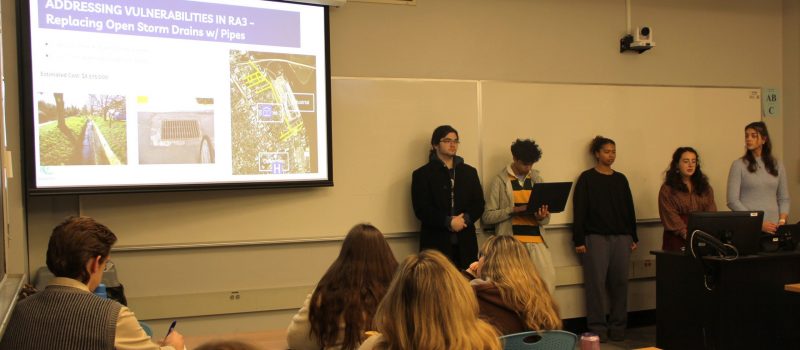
UConn Today featured the E-Corps courses led by Connecticut Sea Grant and UConn CLEAR in a Jan. 29, 2026, article titled, “Making a Difference, from the Classroom to the Community.”
[Read More]
The first installment of 2026 in the Aquaculture Video Series comes from a visit to the National Fish Hatchery in North Attleboro, Mass. Watch the video to learn a bit about their programs involving American shad, trout and bloater.
[Read More]
The 30th season of the annual Coastal Perspectives lecture series begins on Feb. 10 at 7:30 with a presentation by Vincent Pieribone titled, “The Creation of OceanX – an Oceanographic and Marine Science Research Institution.”
[Read More]
The Long Island Sound Research Conference will take place on June 4-5 in Mystic, CT. Oral presentations and posters across disciplines in natural and social sciences that contribute to the four themes of the Long Island Sound Partnership CCMP are welcome.
[Read More]
The CT and NY Sea Grant programs announce the Long Island Sound Partnership extramural research program. The intent is to fund research that will support the science-based management of LIS and its resources, and support implementation of the LIS Comprehensive Conservation and Management Plan. Deadline: March 19, 2026
[Read More]
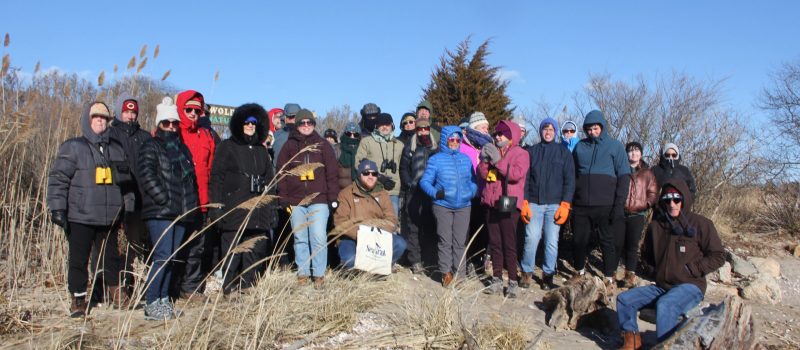
About 25 people joined the First Day hike at Griswold Point hosted by CT Sea Grant and the CT National Estuarine Research Reserve. Staff of CT Sea Grant and the Reserve led the approximately 2.5-mile round-trip hike along mostly flat shoreline to Griswold Point at the mouth of the Connecticut River.
[Read More]
Long Island Sound reached a major milestone in water quality this year, with hypoxia, or low oxygen in bottom waters, at its lowest since the Long Island Sound Partnership began tracking the levels in 1987.
[Read More]